INDUSTRY TRENDS

How Procurement Teams Can Time, Negotiate, and De-Risk Zucchini-Puree Contracts (Without Chasing the Wrong Signals)

Author
Team Tridge
DATE
April 27, 2026
9 min read
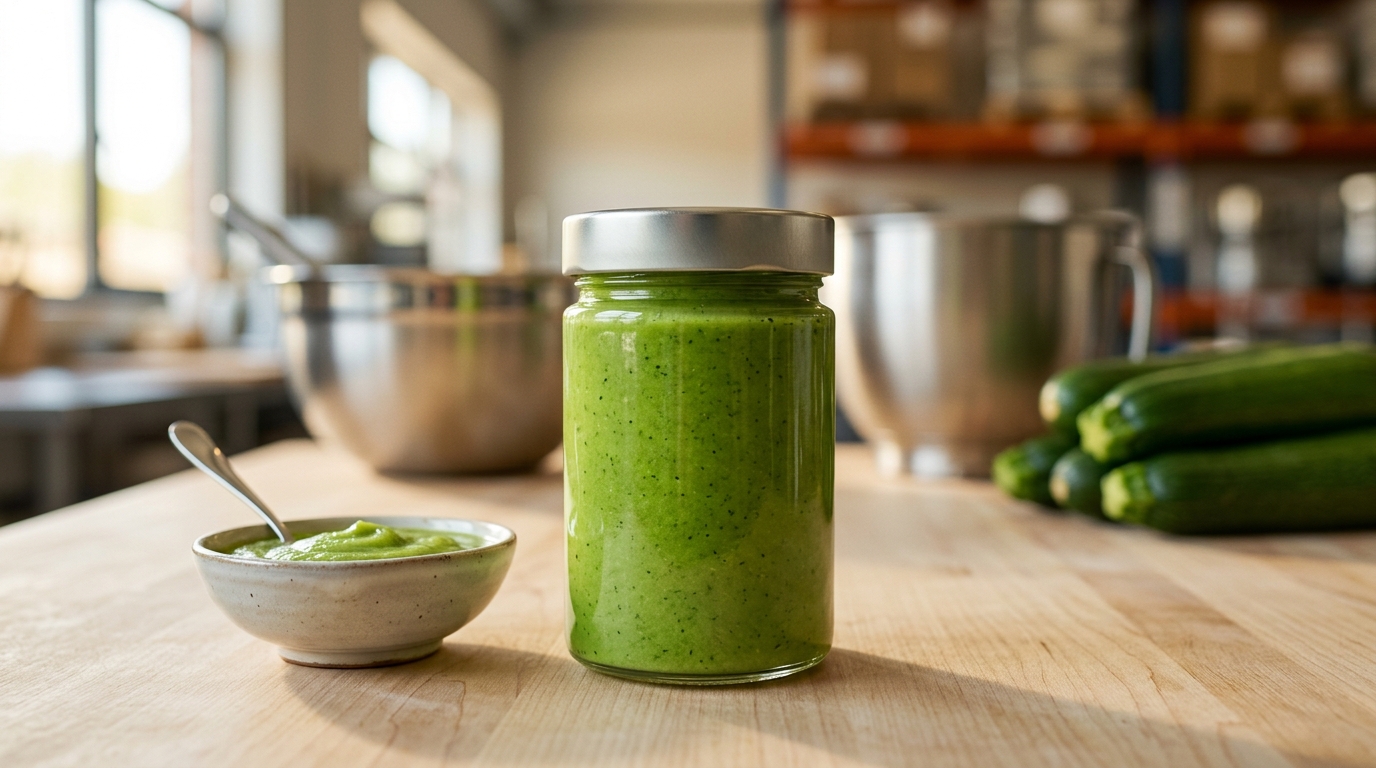
zucchini-puree Cover

Zucchini-puree looks like a simple processed-vegetable buy until you get hit by the two things that actually drive outcomes: (1) when processors choose to run campaigns and allocate line time, and (2) whether your format/pack/spec choices trap you in a single production lane. This guide shows how to spot the real leverage windows, avoid the common “quiet cost” mistakes, and build a dual-source posture that works in practice.

Executive Summary

  • Expect lags: Finished puree pricing often moves with inventory, processing-slot availability, and packaging, not same-month fresh zucchini pricing.
  • Your leverage is the spread: The actionable signal is the gap between raw-direction indicators and processor offers—then using contract structure (step-downs/reopeners) to capture it.
  • Most overpay is structural: Over-tight specs and single-lane packaging frequently create higher MOQs, longer lead times, and weaker service terms.
  • Resilience is measurable: Track “% of volume switchable within 30 days without a spec change.” If it’s low, you’re functionally single-sourced.
  • 2026 reality check: Cold-chain logistics and aseptic packaging demand remain meaningful constraints for many food manufacturers, so format optionality is still a negotiation lever.

1) The Market Signal Most Teams Miss: Raw Zucchini Down, Puree Not Budging

Insight

Zucchini-puree prices often don’t follow fresh zucchini prices in the same month—sometimes not even in the same quarter—because puree is priced off processing capacity, packaging availability, and inventory carry, not just farmgate.

Data (Directional, Category-Realistic)

The most common disconnect patterns procurement teams see:
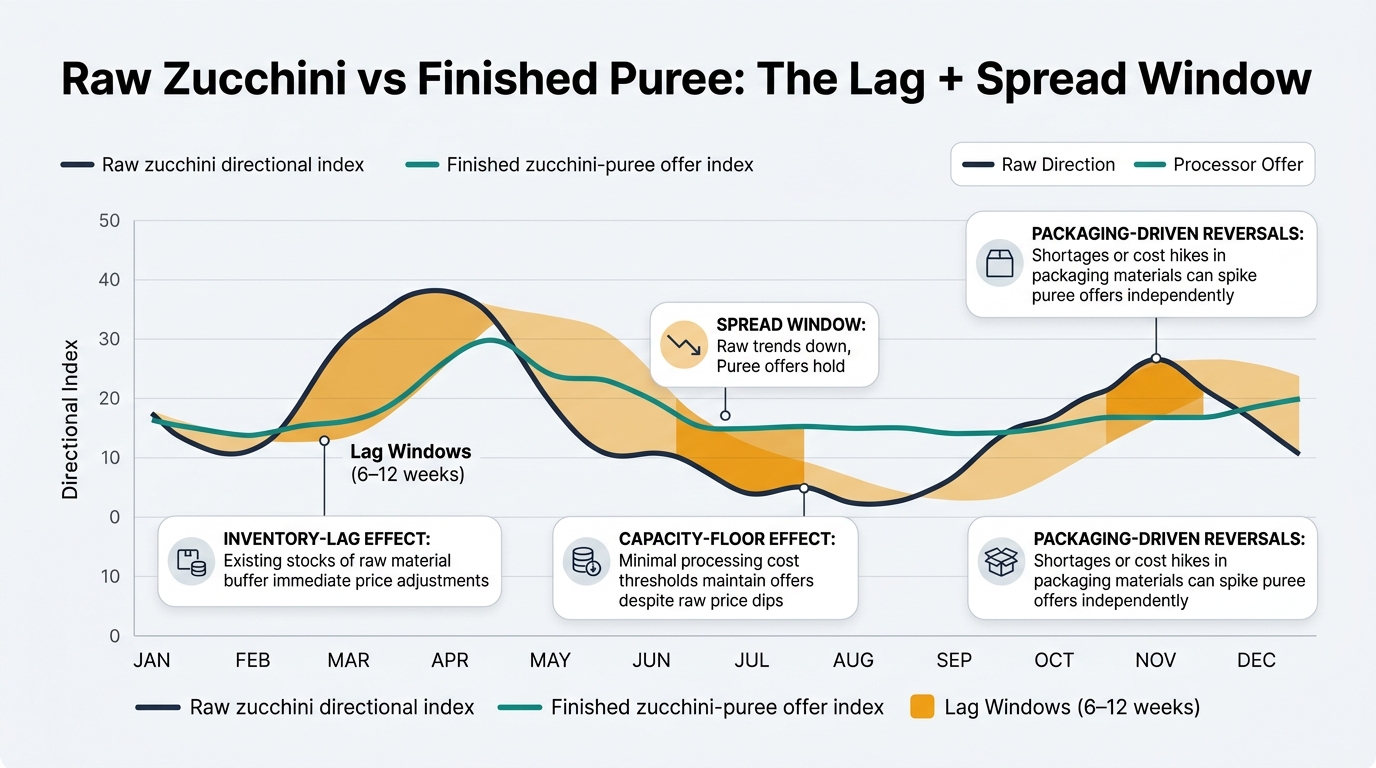
  • Inventory-lag effect (typical ~6–12 weeks, sometimes longer): A processor’s puree offer in April frequently reflects zucchini bought in February–March (or frozen intermediate stock), plus packaging and energy contracted earlier. Example: raw zucchini softens after an early-season flush, but aseptic puree offers only soften modestly because the processor is still selling higher-cost lots and doesn’t need to reprice until the next production run.
  • Capacity-floor effect (peak-season squeeze): Even when raw zucchini is stable, puree can rise if lines are full. Example: raw zucchini holds roughly flat in August, but puree offers increase when sterilization slots and milling throughput are fully booked and buyers compete for limited campaign capacity.
  • Packaging-driven reversals (especially aseptic): Aseptic bags/fitments and drum availability can add a “non-ag” premium that masks raw material moves. If your supplier is constrained on fitments or aseptic bag lead times, you can see finished offers hold even when raw softens.
  • Format basis split (frozen vs aseptic): Frozen puree can fall while aseptic holds (or vice versa) due to different bottlenecks. Example: reefer spot conditions and cold storage availability can improve and help frozen offers, while aseptic holds because packaging lead times are tight.
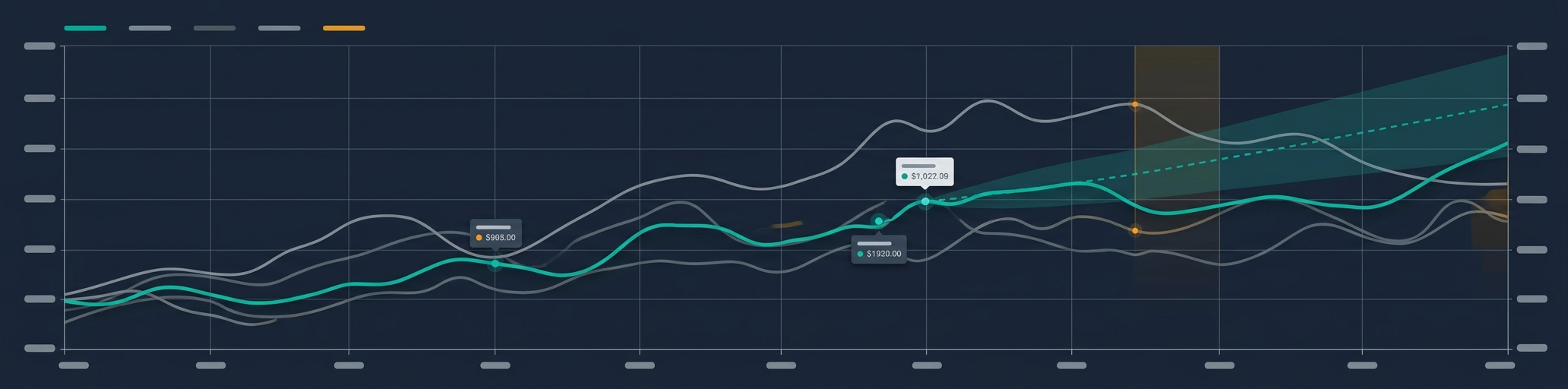
Simple time-series chart with two lines (raw zucchini directional index vs finished zucchini-puree offer index), shaded lag windows (6–12 weeks), and highlighted spread windows where raw trends down but puree offers hold, with labeled callouts for inventory-lag effect, capacity-floor effect, and packaging-driven reversals, plus a small legend.

Procurement Impact

If you negotiate zucchini-puree purely off “what zucchini is doing,” you’ll miss the real leverage windows. The exploitable edge is tracking the spread between (a) raw zucchini direction and (b) processor capacity + packaging constraints. When the spread widens, you either (1) push for a pass-through reset if you’re buying from inventory, or (2) shift volume/format/pack to where the bottleneck isn’t.

Quick Win

In your next supplier call, ask for a two-line decomposition: “What % of this move is raw zucchini vs packaging vs conversion?” If a supplier can’t explain the move, you’re negotiating blind.
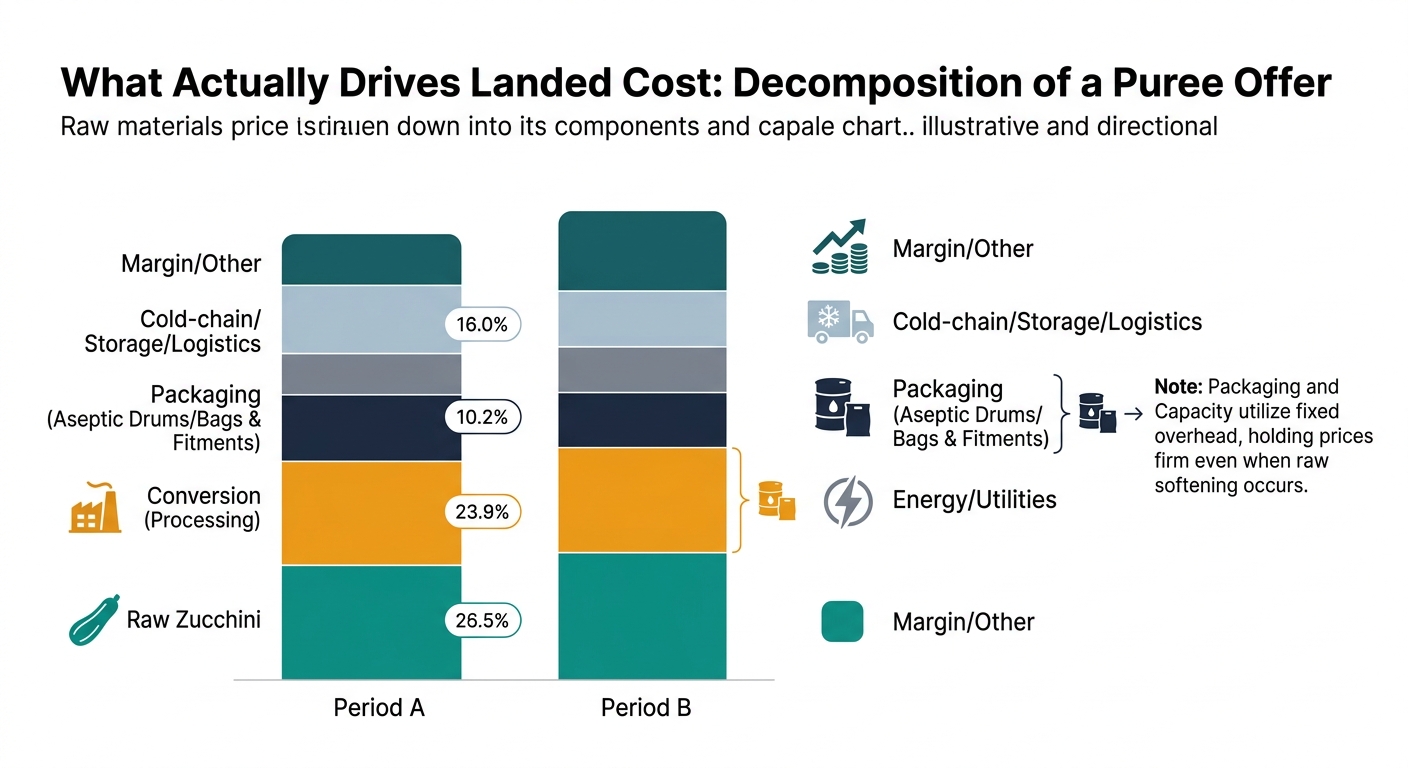
Stacked bar chart (or waterfall-style alternative) decomposing a finished zucchini-puree offer into raw zucchini, conversion/processing, packaging (aseptic bags/fitments or drum), energy/utilities, cold-chain/storage/logistics, and margin/other, with a note that values are illustrative/directional and a cue showing packaging/capacity can hold price even when raw softens.

2) Three Procurement Mistakes That Quietly Inflate Landed Cost

Insight

Most zucchini-puree “overpay” isn’t a bad negotiation—it’s a portfolio and specification problem that forces you into the supplier’s least flexible production lane.

Data

These are the repeatable failure modes.

Mistake #1: Treating all puree as interchangeable

  • What happens: The team sources “zucchini puree” as one line item, then discovers late that only 1–2 suppliers truly fit the application (texture, color tolerance, pack type, thermal process), shrinking leverage.
  • Why it fails: Tight specs + narrow pack requirements concentrate you into one processing lane (and sometimes one site). That concentration commonly shows up as higher MOQs, longer lead times, and less willingness to hold price.
  • Accuracy upgrade: Instead of assuming a universal “brix/solids” spec like fruit purees, treat zucchini puree as a functional spec: particle size/viscosity, color window, seed/skin tolerance, and how it behaves in your process (pumpability, separation, cook stability). Functional specs are what actually shrink/expand the supplier pool.
  • The hidden cost (directional): A mid-volume prepared-food manufacturer locks into aseptic drums only. In a tight packaging period, they can pay a noticeable premium versus an alternate bag-in-box configuration that multiple suppliers can run (the exact % varies by lane and MOQ).

Mistake #2: Negotiating price while ignoring production-slot economics

  • What happens: Procurement pushes for a lower unit price at renewal, but doesn’t secure campaign allocation, leaving supply to “best effort.”
  • Why it fails: For seasonal vegetable purees, the scarce asset is often line time during harvest campaigns, not zucchini itself. When slots fill, suppliers prioritize customers who committed volume early or accepted flexible pack/ship windows.
  • The hidden cost (still common): You win a few cents per kg on paper, then lose it (and more) via expedited freight, partial shipments, or shorted deliveries that force spot buys at a meaningful premium.

Mistake #3: Using dual-sourcing as a slide, not a system

  • What happens: Teams “approve” a backup supplier but don’t run qualification sequencing, lane mapping (format/pack), or periodic test orders.
  • Why it fails: In disruption, the backup either has no capacity, can’t match the pack format, or needs QA work that takes weeks. A backup name is not a backup supply chain.
  • The hidden cost (timing realism): In many plants, switching a puree supplier can take multiple weeks once you include samples, micro, sensory, packaging validation, and first-production monitoring—especially for baby food, high-care, or tightly controlled finished products.

Procurement Impact

These mistakes convert a negotiable category into a take-it-or-leave-it buy. Fixing them usually delivers more savings than another round of “3 quotes and a squeeze,” because it restores optionality.

Quick Win

For each supplier, document one sentence: “What exact lane are we buying?” (format + pack + production window). If you can’t write it, you don’t have leverage.

3) What Changes When You Run the Category on Intelligence (Not Habit)

Insight

Intelligence-driven procurement doesn’t mean more data; it means fewer surprises and tighter control of the 2–3 variables that actually move your outcome: capacity access, format optionality, and spec-fit risk.

Data (Reframed for Credibility)

A realistic before/after for a mid-sized North American buyer (mixed prepared foods + foodservice) is less about “perfect price calls” and more about reducing the frequency and severity of bad outcomes.

Before (Traditional approach)

  • Sourcing: 2 incumbent quotes; alternates contacted only after a problem
  • Negotiation anchor: “Fresh zucchini is down, so puree should be down”
  • Risk posture: Single-site dependency tolerated because “service has been fine”
  • Result (directional): recurring price disadvantage in tight years; unplanned spot buys; chronic OTIF variability during peak season

After (Intelligence-driven approach)

  • Sourcing: Shortlist of 4–6 suppliers segmented by format/pack and region; backups kept warm with small, scheduled test orders
  • Negotiation anchor: Spread-based view: raw trend vs conversion + packaging + capacity utilization signals
  • Risk posture: Portfolio concentration managed with explicit volume splits and pre-agreed substitution pathways (pack/format)
  • Result (directional): a few points of improvement in total landed cost (not just unit price) and fewer expedites; measurable reduction in single-point-of-failure exposure (e.g., avoiding putting the majority of volume into one site/one format lane)

Procurement Impact

The biggest gain is governance: you can explain why you awarded volume, what triggers a reallocation, and how you’ll protect service levels when the market tightens.

Quick Win

Add one KPI to your quarterly review: “% of volume that can switch suppliers within 30 days without spec change.” If it’s under ~30–40%, you’re effectively single-sourced.

4) Three High-Probability Scenarios—and the Playbook That Actually Works

Insight

Zucchini-puree problems are usually timing problems disguised as price problems.

Data

Use these scenario playbooks.

Use Case #1: Renewal in 60–90 days during a confusing market

  • Insight: The best leverage often appears when raw zucchini has moved but puree offers haven’t—because suppliers are still selling through older-cost inventory.
  • Data (how to apply without fake precision): If your raw indicators (grower quotes, spot produce market signals, or your own receiving costs for fresh zucchini) are clearly down but your puree offers are unchanged, you’re likely in a spread window.
  • Procurement Impact: Negotiate a step-down clause tied to the next campaign cost reset, or secure a shorter fixed period (e.g., 90 days) with pre-agreed reopeners rather than locking a 12-month price at the top of the spread.

Use Case #2: Ops needs service continuity more than the last cent

  • Insight: Service failures typically come from capacity and pack constraints, not lack of zucchini.
  • Data: Late changes (pack type, delivery cadence) often trigger lead-time extensions of weeks in peak periods.
  • Procurement Impact: Buy reliability: trade a small premium for reserved production slots, defined ship windows, and explicit penalties/credits tied to OTIF—then offset the premium by standardizing pack configurations across plants.

Use Case #3: QA flags drift (texture/color) and Procurement assumes “supplier issue”

  • Insight: Drift can be seasonal/origin-wide, meaning switching suppliers may not solve it—and can worsen it if you move into a different processing lane.
  • Data: When multiple suppliers show similar drift in the same month, it’s often raw-quality driven (harvest maturity/defect rates) rather than one plant’s controls.
  • Procurement Impact: Use a two-track response: (1) tighten incoming acceptance and corrective actions with the supplier, and (2) qualify a format/pack alternative that broadens the supplier pool for the next campaign.

Quick Win

Put a “format switch” option into the contract (e.g., drums ↔ bag-in-box) with pre-priced conversion adder/deduct. That single clause can protect supply when one packaging lane tightens.

5) Why This Same Playbook Works for the Rest of Your Vegetable Inputs

Insight

Zucchini-puree is a clean example of a broader truth: processed produce pricing is often a function of conversion constraints and packaging, not just farmgate.

Data

Similar dynamics show up in:

  • Pumpkin/squash purees: campaign-driven capacity and inventory lag create price floors even when raw softens.
  • Spinach/kale purees: frozen vs aseptic basis splits widen when reefer capacity tightens or when aseptic materials are constrained.
  • Tomato-based ingredients (paste/puree): raw moves can be muted by industrial inventory cycles and contracted packaging/energy.

Procurement Impact

If you build a repeatable “spread + bottleneck” method here, you can port it across your processed vegetable basket and stop re-learning the same lesson category by category.

Quick Win

Standardize a one-page template across vegetable ingredients: raw signal, conversion constraint, packaging constraint, and inventory lag. Use it as the agenda for every supplier review.

6) Why This Zucchini-Puree Example Should Change How You Run Sourcing Reviews

Insight

The real advantage isn’t predicting the market perfectly—it’s making your decisions defensible, earlier, and less dependent on one supplier’s narrative.

Data

In zucchini-puree, the “truth” sits in three places procurement rarely triangulates in one view: (1) raw zucchini direction, (2) processing-slot tightness, and (3) packaging lane availability. When you only see one, you mis-time renewals, over-index on spot quotes, and confuse short-term supply tightness with long-term structural shortage.

Procurement Impact

A sourcing review that explicitly separates those drivers produces faster alignment with QA/Ops/Finance: you can justify when to lock, when to stay short, and when to pay for resilience—without arguing from anecdotes.

Quick Win

In your next QBR, require suppliers to answer one question: “If raw zucchini drops 10% next month, what would prevent you from passing it through?” Their answer reveals your real constraints.

7) The Bottom Line for Your Next Move

Insight

Treat today’s raw-to-puree spread as your negotiation clock: when raw signals have softened but puree offers haven’t, you have a short window to reset pricing or re-structure terms before the next campaign reprices the market.

Data

In spread windows, the achievable outcome is usually not a dramatic list-price cut—it’s a better deal structure: shorter fixed periods, step-down triggers, and format/pack flexibility that expands your supplier bench.

Procurement Impact

Teams that act during the spread window typically capture 2–5% better total landed cost and avoid the spot-buy penalty that shows up when capacity tightens and packaging lanes become the real constraint.

Key Insights (What to Apply This Quarter)

  • Key Takeaways: The zucchini-puree market is not a simple pass-through of fresh zucchini; conversion capacity, packaging lanes, and inventory lag routinely mute or delay raw moves.
  • Key Takeaways: Your best negotiation leverage comes from monitoring the spread between raw direction and finished offers—then using contract structure (step-downs, reopeners, slot commitments) to capture it.
  • Key Takeaways: The most expensive mistakes are structural: over-tight specs, single-lane packaging, and “dual-sourcing” without qualification sequencing and test orders.
  • Key Takeaways: Measure resilience as time-to-switch within spec. If you can’t switch within 30 days, you’re effectively single-sourced no matter how many suppliers are on the slide.
  • Key Takeaways: Format/pack flexibility is a negotiation lever. One pre-priced substitution pathway can protect service levels when the market tightens for reasons unrelated to zucchini itself.

The Bottom Line for Your Next Contract

(Analyzed at: Apr, 2026)

If you’re renewing zucchini-puree in the next 60–120 days, treat format optionality as the fastest, most bankable de-risk lever in 2026—not because zucchini is “rare,” but because processors still price and allocate around line time and packaging lanes, while cold-chain costs can re-tighten quickly in seasonal peaks. California zucchini availability typically runs late spring through early fall with summer peak, so the buyers who secure campaign allocation now—and add a pre-priced drums↔bag-in-box (or frozen↔aseptic) switch—tend to avoid the expensive failure mode: shorted deliveries that force spot coverage. In practice, that’s often the difference between a manageable 2–5% landed-cost improvement versus giving it back through expedites and disruption-driven buys.
Subscribe
By subscribing you agree to with our Privacy Policy and provide consent to receive updates from our company.
Thank you! Your submission has been received!
Oops! Something went wrong while submitting the form.
Subscribe to receive the latest blog posts, updates, promotions, and announcements from Tridge.